Axon
Designing an Enterprise Operations Platform for a Distributed IoT Network
Organizing complex information and operational states so internal teams can monitor, configure, and troubleshoot a distributed IoT network.
How might we transform complex technical operations into clear, predictable, and efficient workflows?
Overview
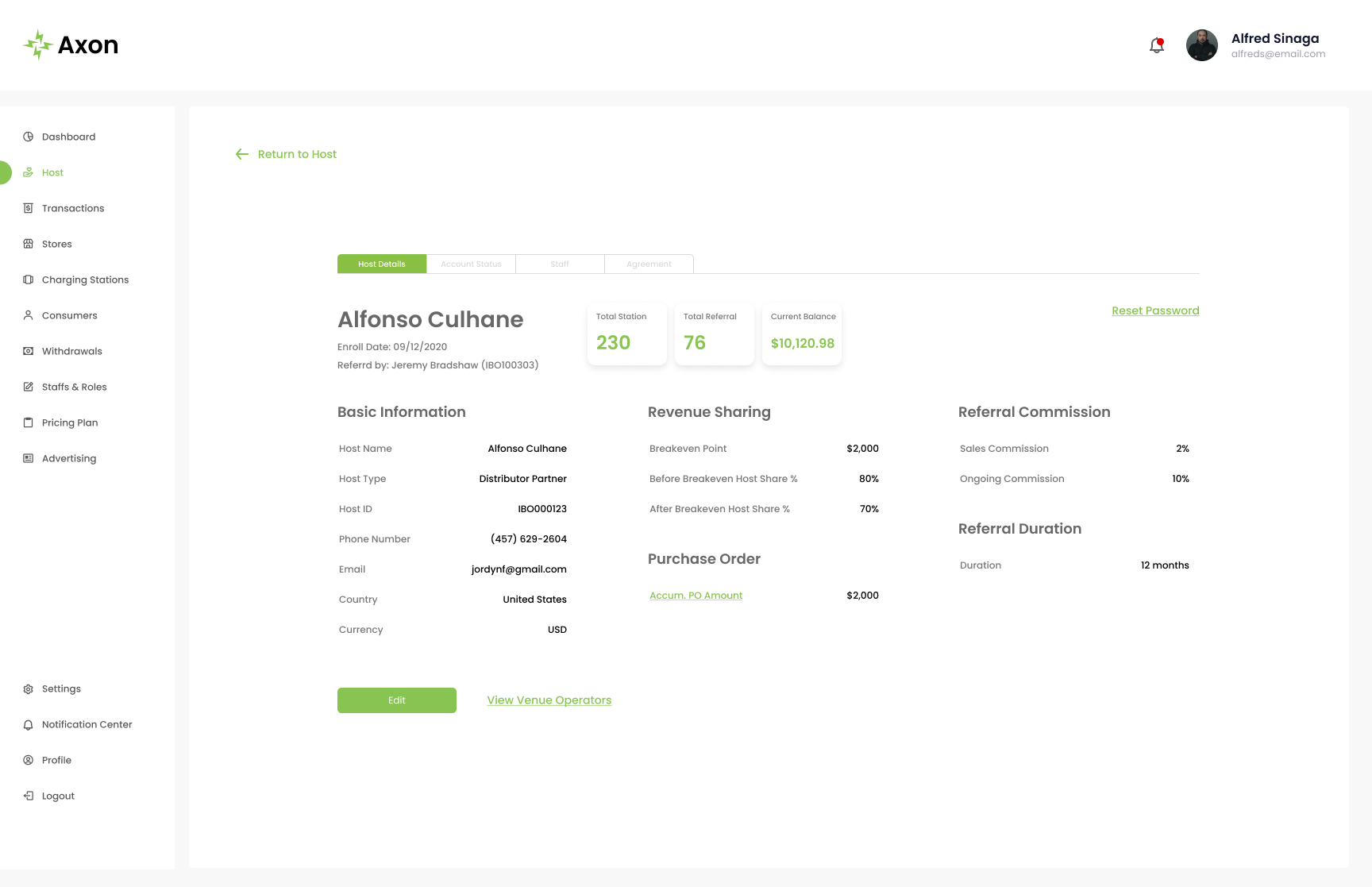
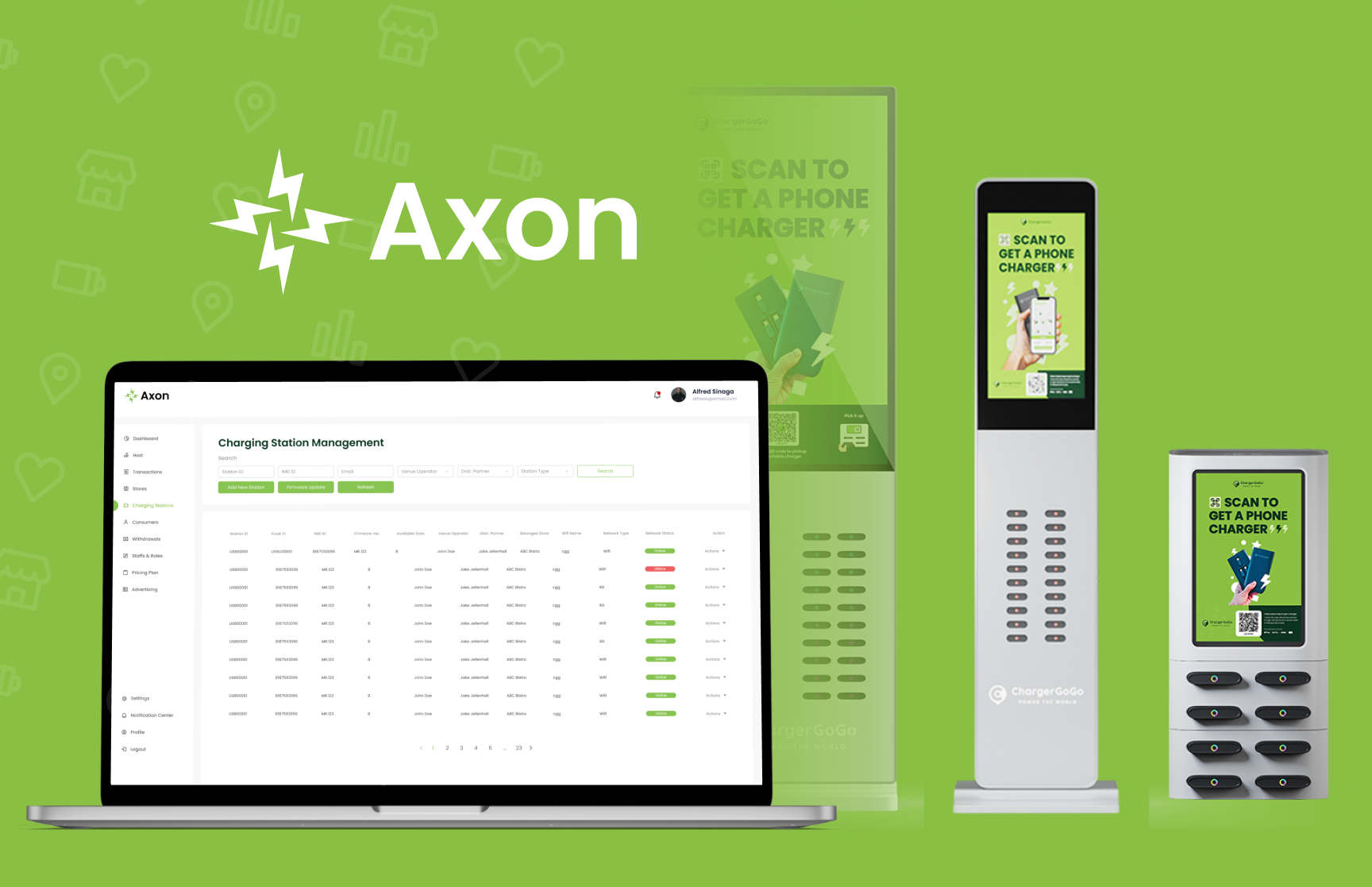
Axon is the internal management platform behind ChargerGoGo's charging infrastructure.
While consumers interact with the charging app and business partners use GoGo Host, internal teams require significantly more control over devices, stations, inventory, and operational processes.
Axon supports those operational requirements through a centralized web-based platform.
The Problem
Enterprise operations platforms often face a fundamental design challenge: they need to support large amounts of information without sacrificing usability.
For Axon, operational workflows involve connected devices, hardware configurations, battery inventory, connectivity states, and remote management controls.
Users need to move between high-level system visibility and detailed device-level actions, sometimes while investigating time-sensitive technical problems.
The challenge is not simply displaying more information. It is helping users find the right information and act on it confidently.
Design Goal
Create a scalable enterprise interface that makes complex device operations easier to understand, navigate, and manage.
My Design Approach
Structuring Information Around Workflows
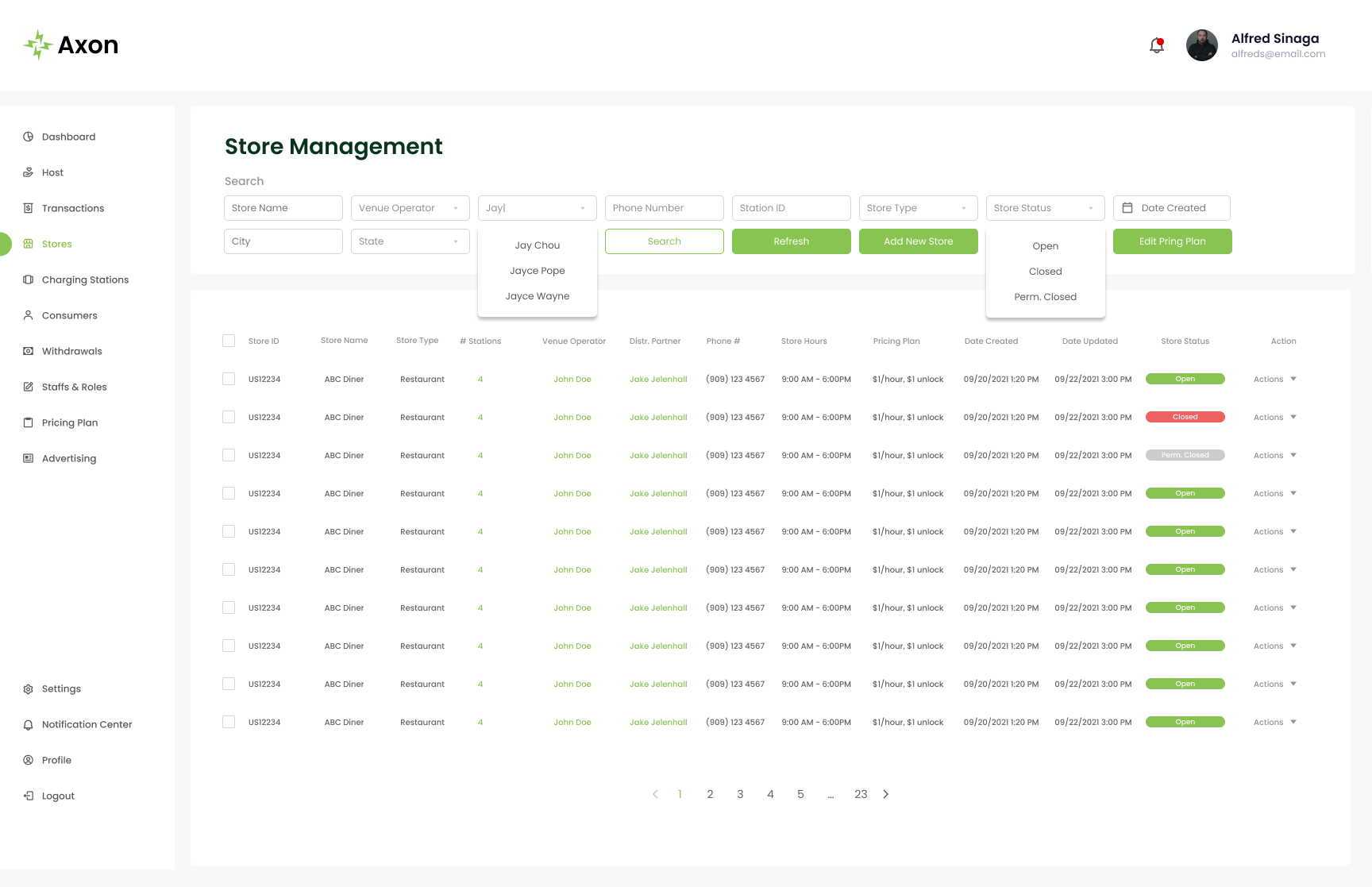
Instead of treating every technical data point as equally important, I focused on organizing information according to operational tasks.
The design needed to support workflows such as finding a device, identifying its current condition, reviewing relevant details, and performing appropriate management actions.
Designing for Information Density
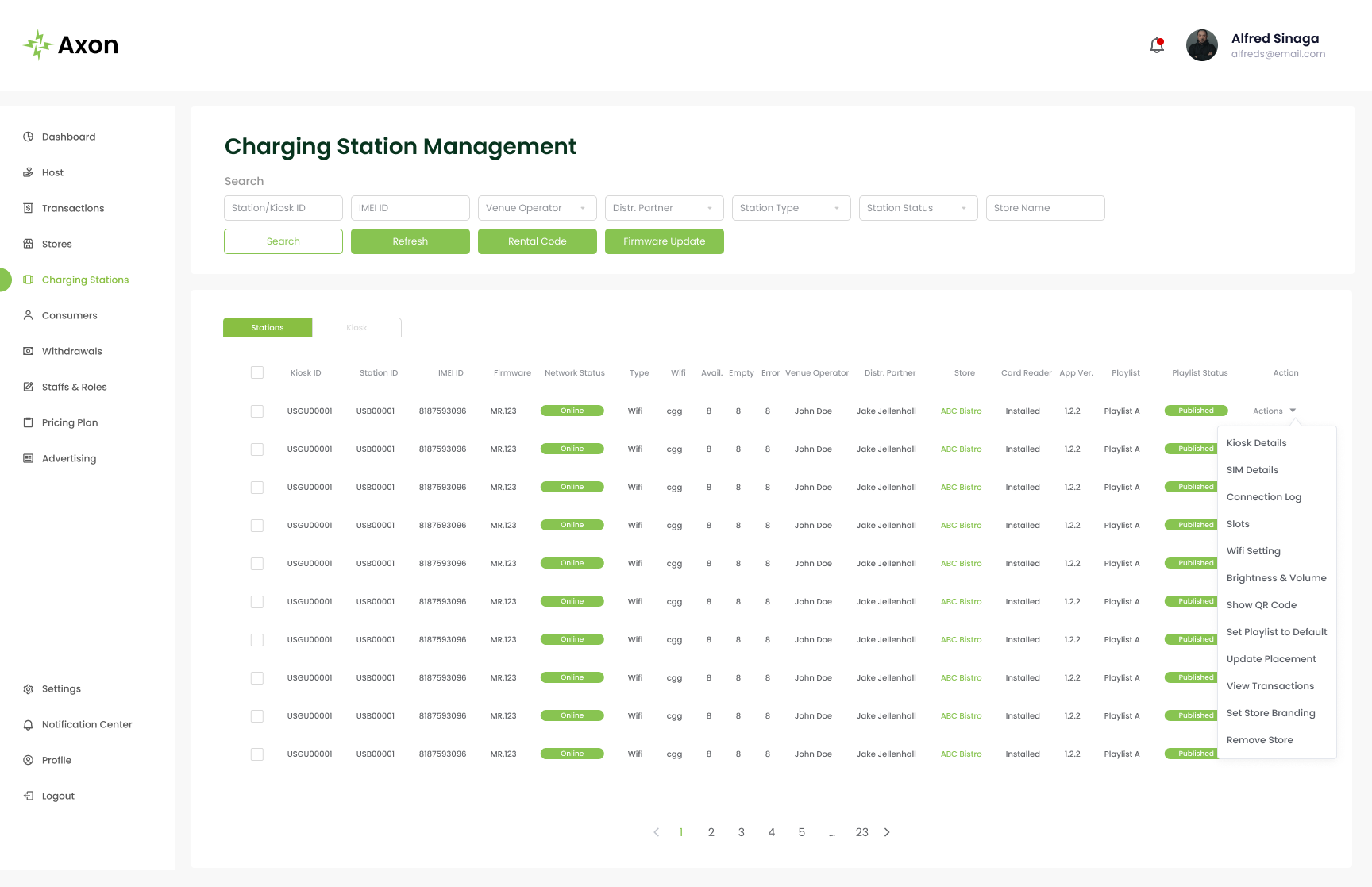
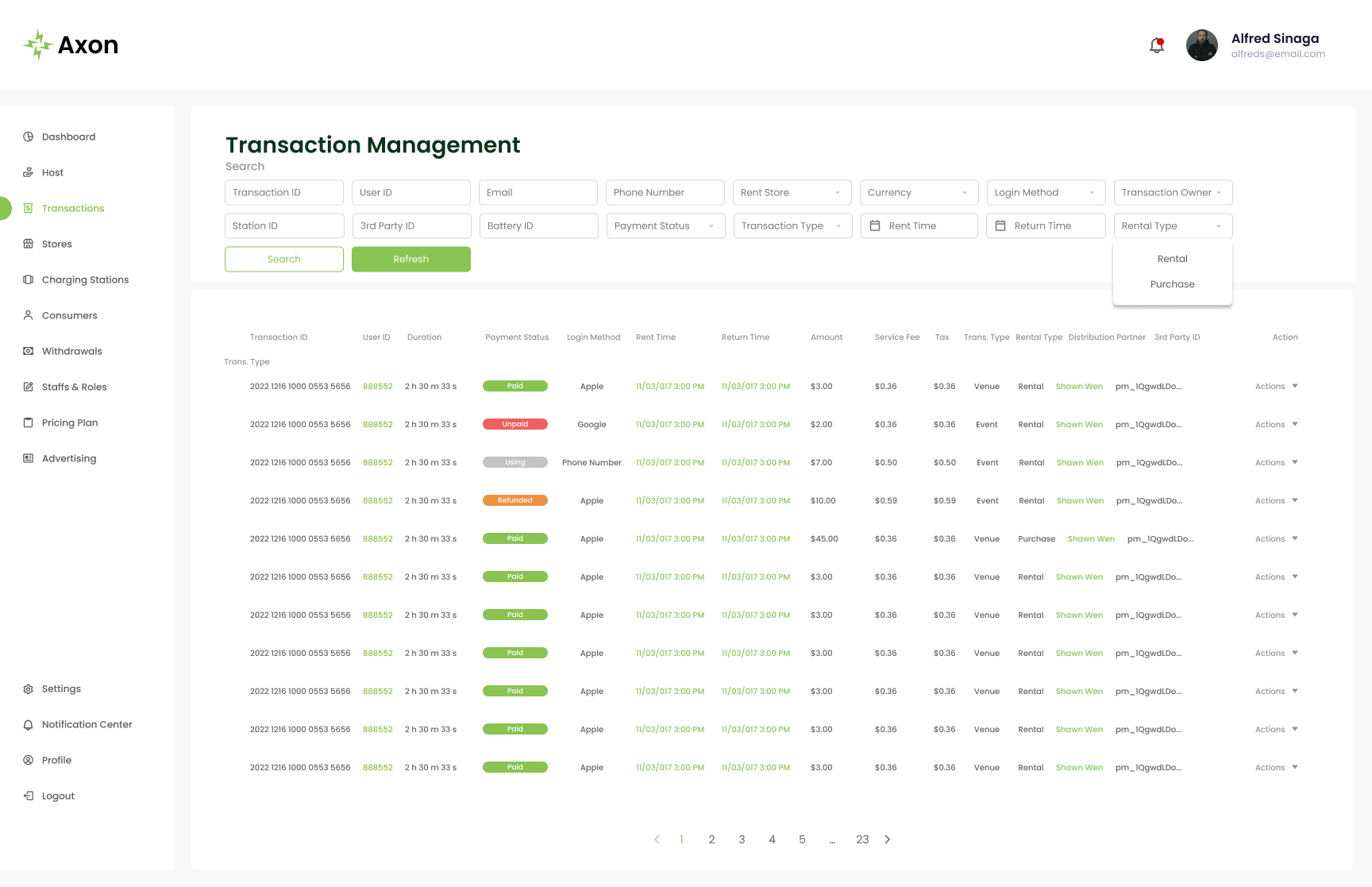
Enterprise users often need to scan, compare, and act on large datasets.
I considered the relationship between table layouts, filtering, search, status indicators, and detailed information views.
The objective was to support efficient scanning while preserving access to necessary technical data.
Clarifying System States
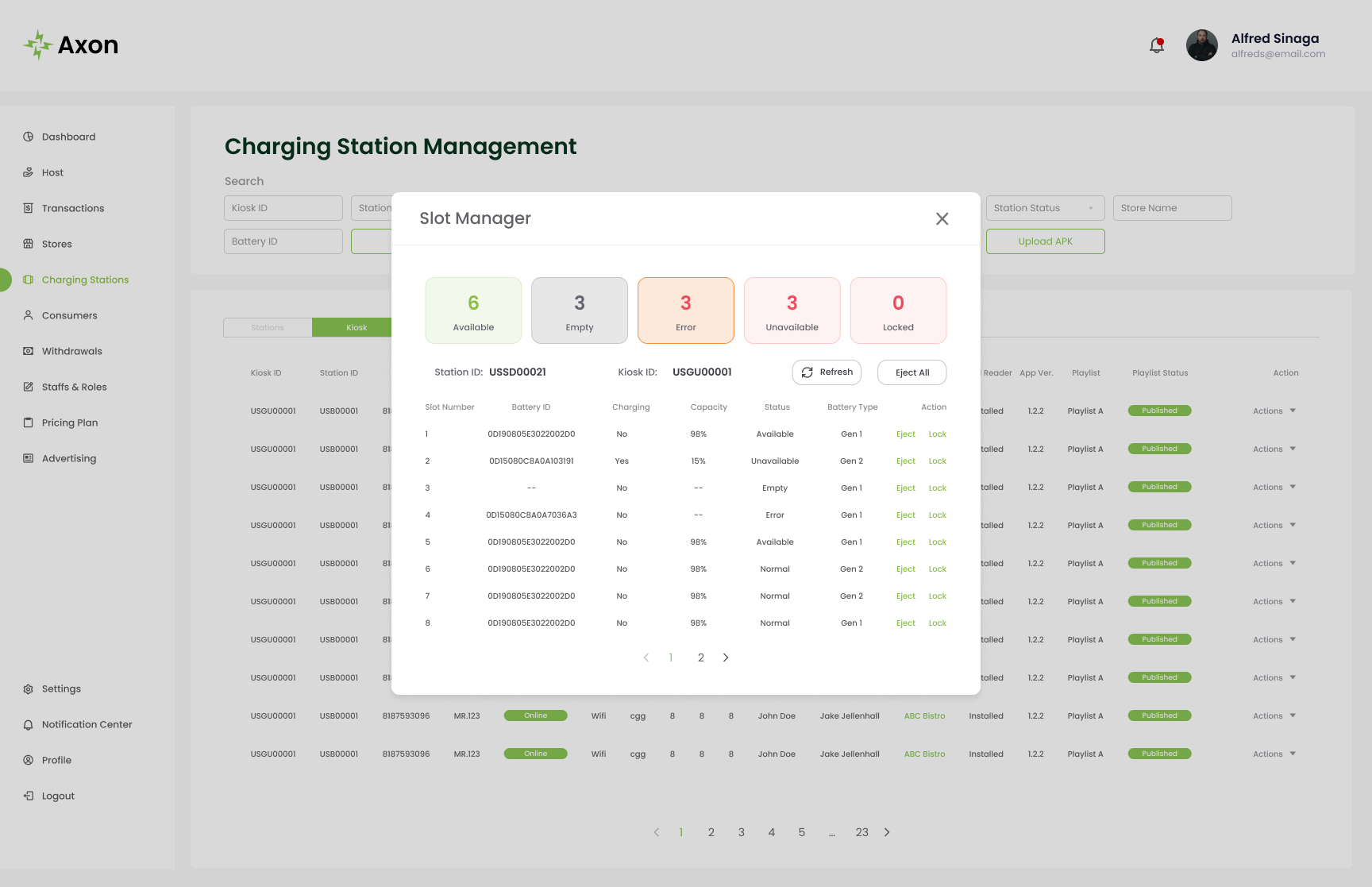
Axon manages devices and batteries with multiple operational states.
Clear state definitions are essential because a user must understand not only what is happening but also which actions are available.
For example, designing a locked-battery state requires distinguishing a deliberately unavailable battery from one that is faulty or temporarily disconnected.
Reducing Operational Uncertainty
Remote device management introduces operational risks.
Controls should communicate their intended effect, provide meaningful feedback, and make potentially consequential actions clear to the user.
Key Design Decisions
Build Around Operational Priorities
Users should be able to identify problems and access common operational actions without unnecessary navigation.
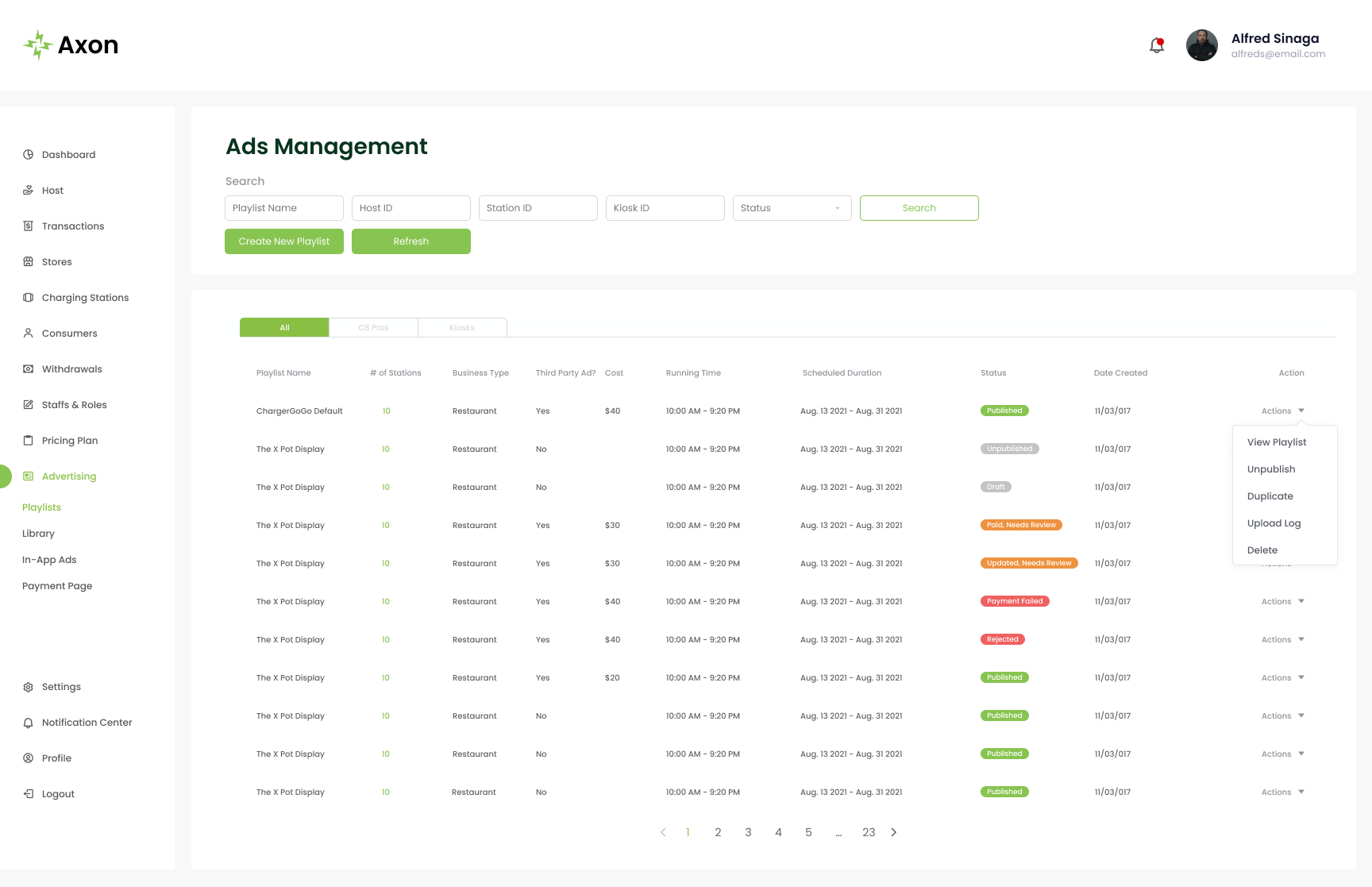
Establish Consistent Status Patterns
Device and inventory states should be represented consistently throughout dashboards, tables, and detail views.
Separate Monitoring From Control
Read-only information and state-changing actions should be visually distinguishable to reduce accidental operations.
Support Scalable Information Architecture
The interface should accommodate additional device types, management capabilities, and operational data as the product evolves.
Design Reflection
Axon taught me that enterprise UX is fundamentally about clarity, consistency, and operational confidence.
A successful enterprise interface is not necessarily the one with the fewest elements. It is the one that helps users interpret complex information, make decisions, and complete their work efficiently.
This project strengthened my ability to design data-heavy interfaces and think systematically about states, permissions, dependencies, and edge cases.