GoGo Host App
Designing a Better Partner Experience for Connected Hardware
Translating connected-device information and operational workflows into an accessible mobile experience for partners with different levels of technical expertise.
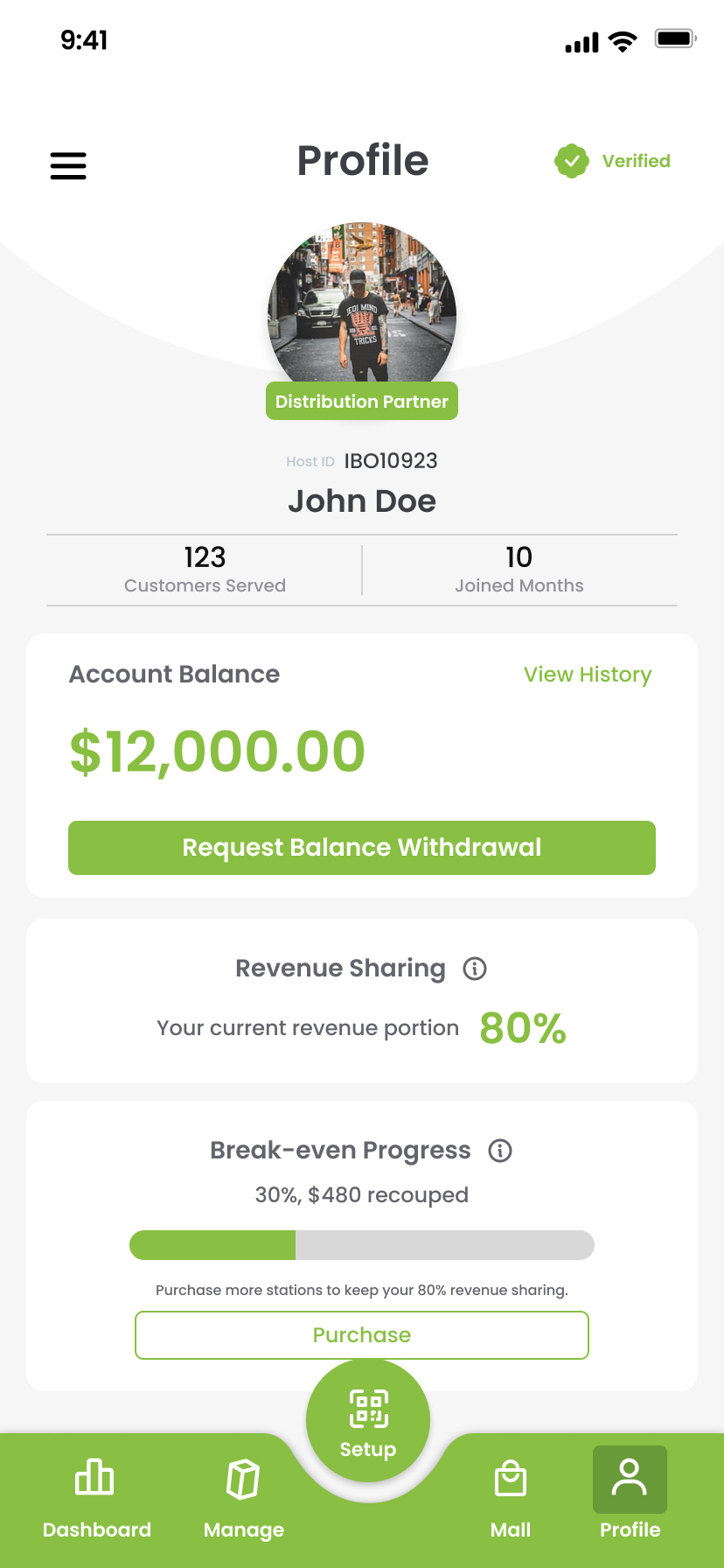
How might we help business partners understand and manage connected hardware without requiring them to understand the underlying technical systems?
Overview
ChargerGoGo operates a distributed network of portable charging stations deployed across restaurants, hotels, entertainment venues, shopping centers, and other public locations.
Business partners need visibility into how their stations are performing, but the underlying infrastructure involves multiple layers of information, from connectivity and battery availability to rental activity and revenue.
GoGo Host was designed to bring these capabilities together in a partner-facing mobile application.
The Problem
Managing connected hardware can be complicated, especially for business owners who are not technical operators.
Partners need answers to straightforward questions:
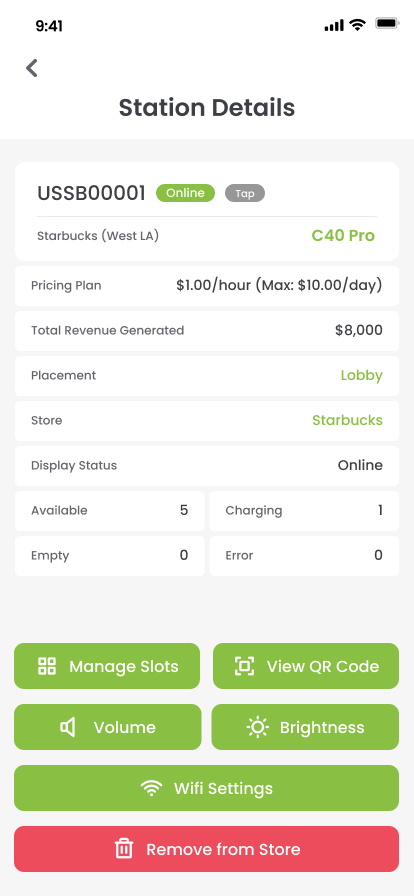
- Are my charging stations online and functioning?
- How many batteries are available?
- How are my stations performing?
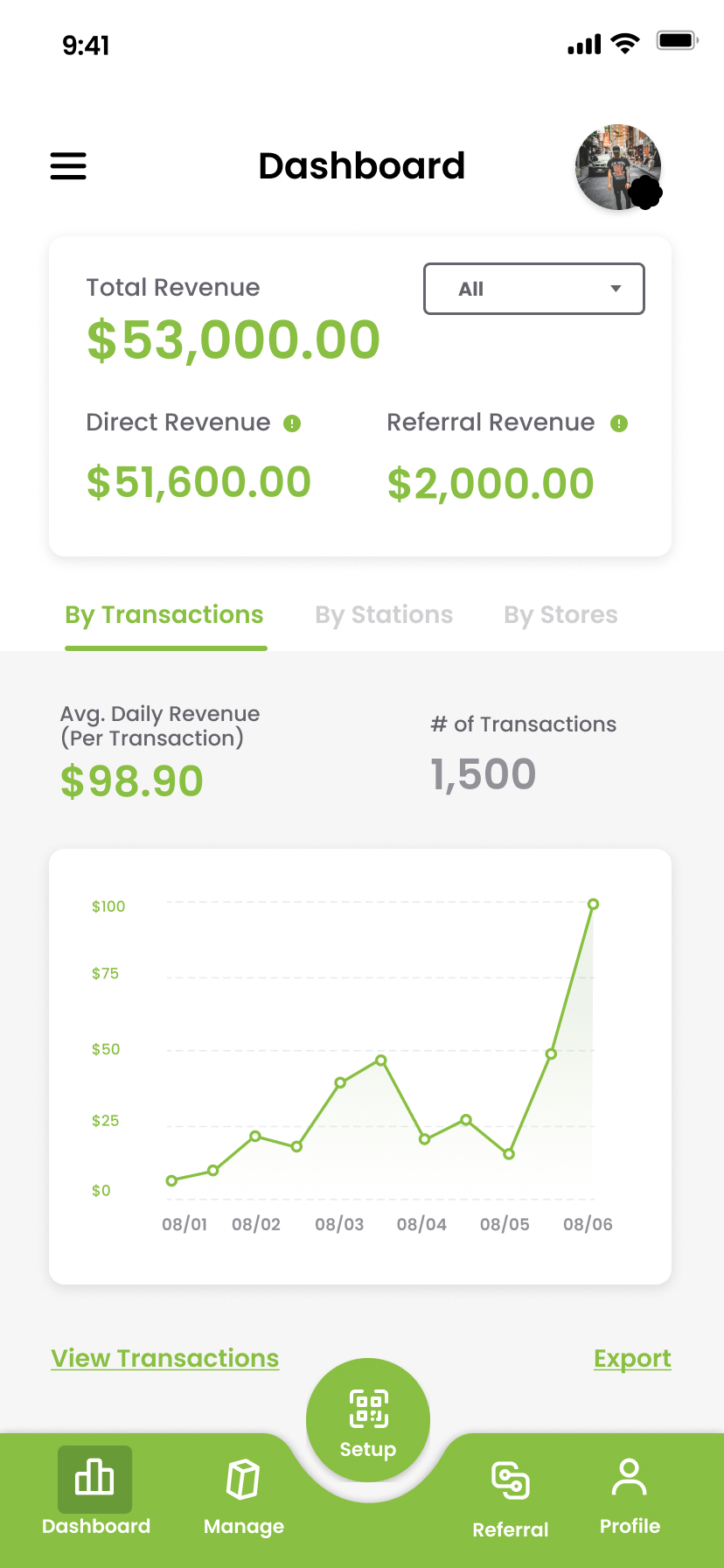
- How much revenue am I generating?
- What should I do when something goes wrong?
Without a clear interface, even simple questions may require support intervention or navigation through complicated technical data.
Design Goal
Create a mobile experience that makes charging-station management understandable, actionable, and accessible.
The product needed to balance operational detail with simplicity while supporting different partner types and account permissions.
My Design Approach
Prioritizing Information
I approached the product by distinguishing between information users need to monitor and information that requires immediate action.
High-priority details, such as device connectivity, operating status, and battery availability, should be easy to understand without requiring users to navigate through multiple screens.
Designing Clear Device States
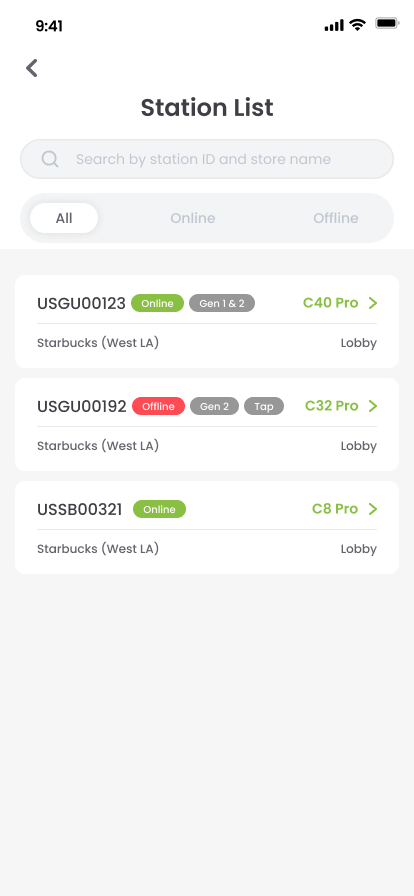
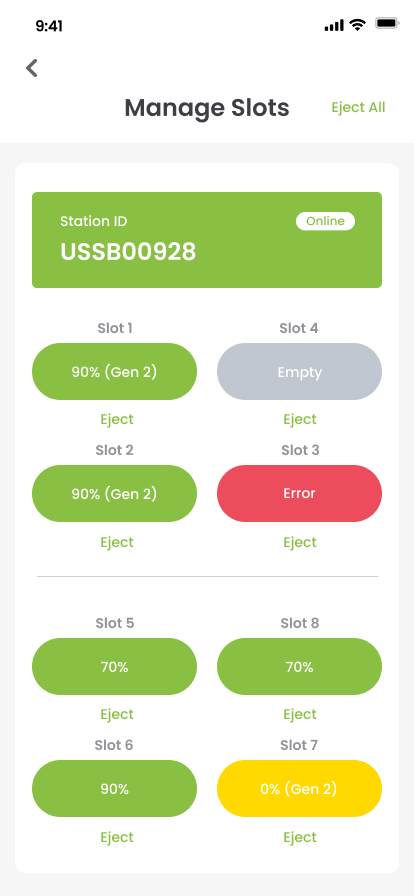
Connected hardware can operate in several conditions, including online, offline, and error states.
A major design consideration was how to make those states distinguishable using clear labels, consistent visual treatments, and contextual information.
Color should reinforce meaning rather than act as the only indicator of a problem.
Making Performance Data Accessible
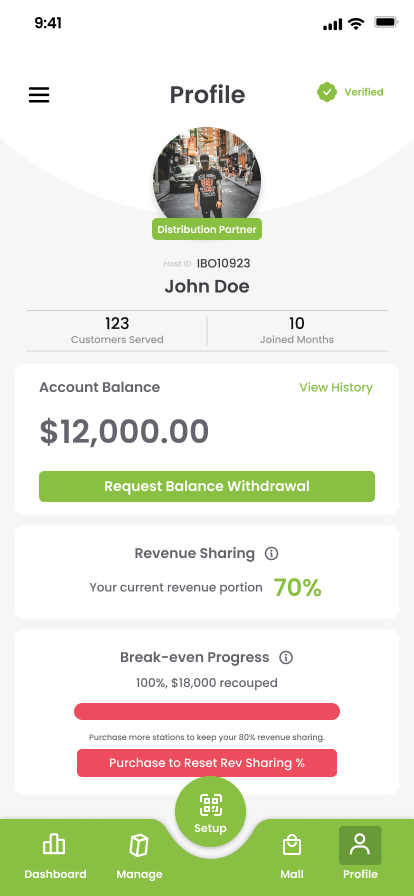
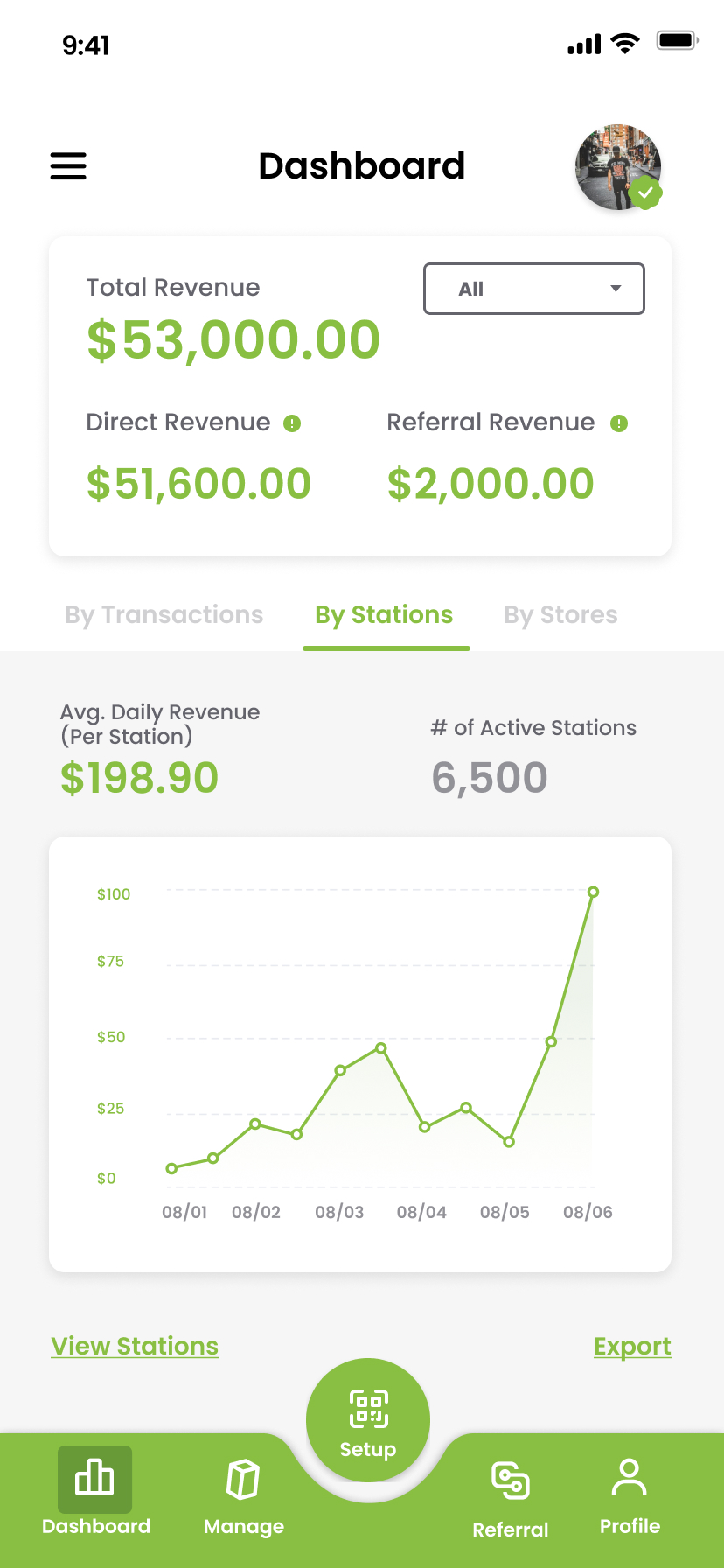
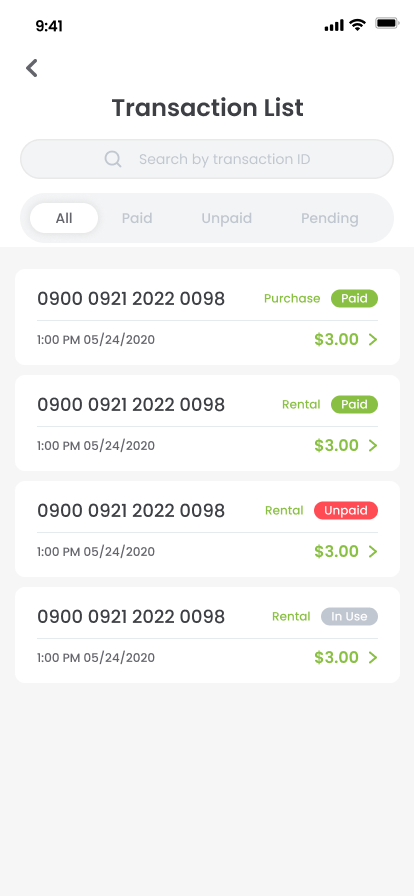
Revenue, rental activity, and device performance are valuable to partners only when they are presented in a meaningful way.
The design direction emphasized readable summaries, appropriate information hierarchy, and the ability to access more detailed information when needed.
Supporting Partner Self-Service
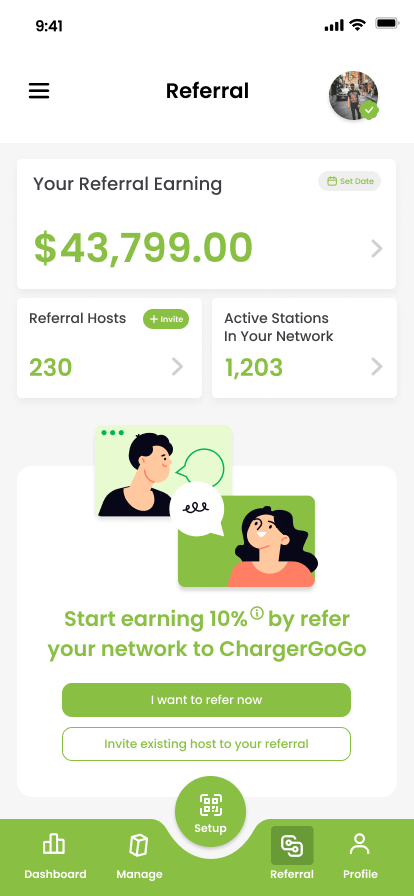
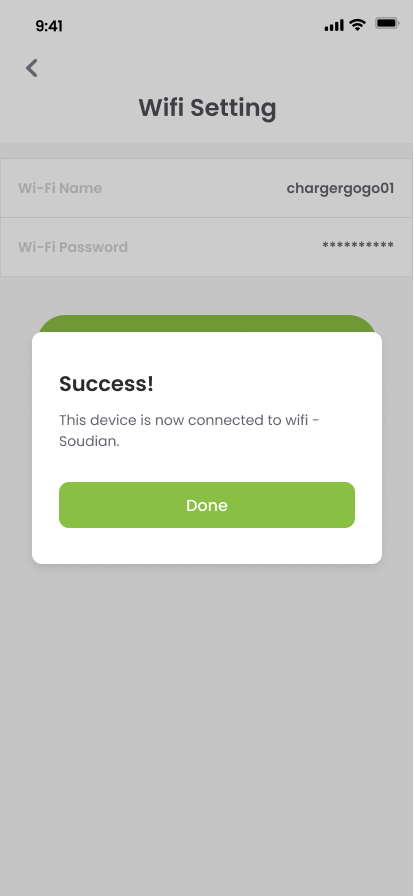
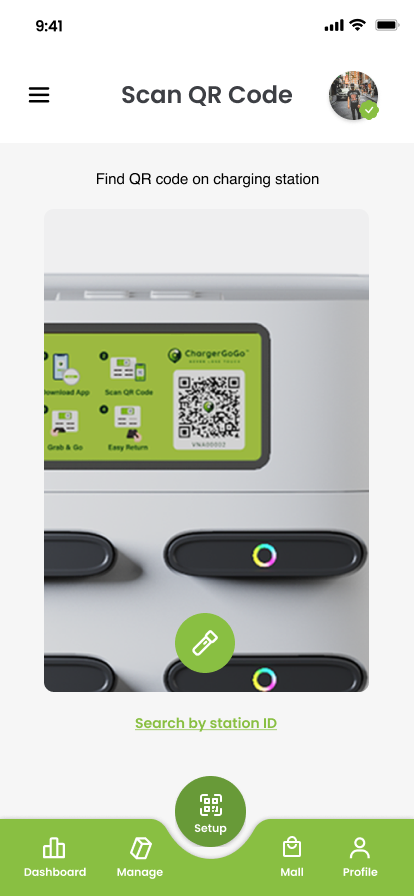
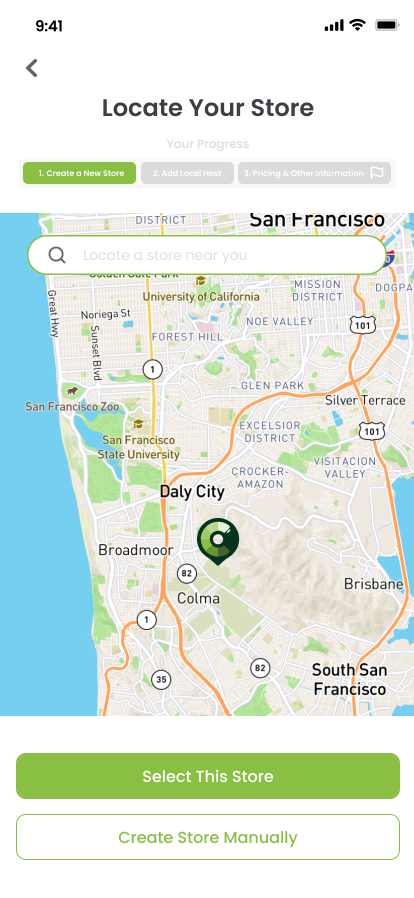
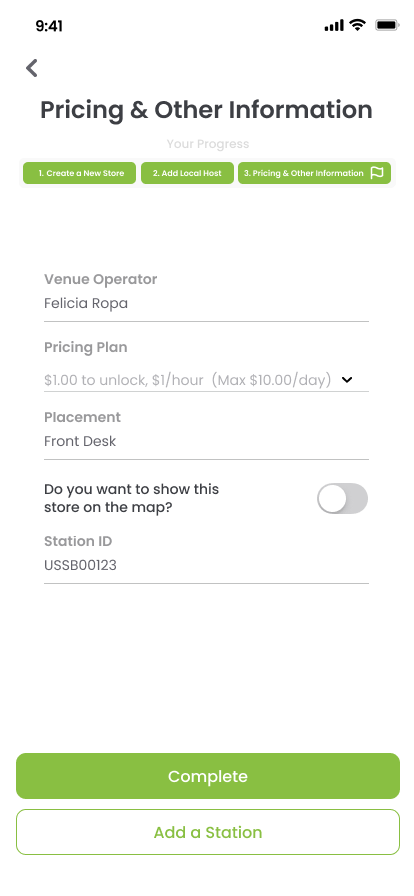
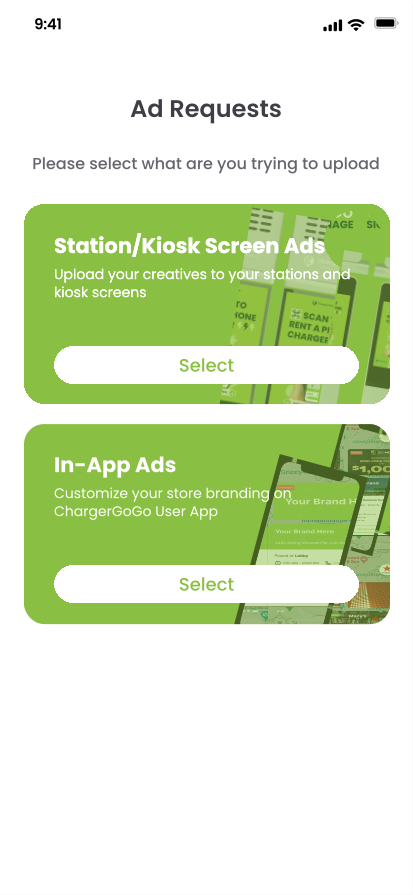
Beyond monitoring, the app supports partner operations through features such as device controls, support requests, and advertising-related workflows.
The design challenge was to make these capabilities discoverable without overwhelming the core experience.
Key Design Decisions
Status Before Detail
The interface should first communicate whether a device requires attention, then provide the additional information needed to investigate.
Actionable Notifications
Notifications for offline devices or low battery availability should help partners identify issues and determine their next steps.
Progressive Disclosure
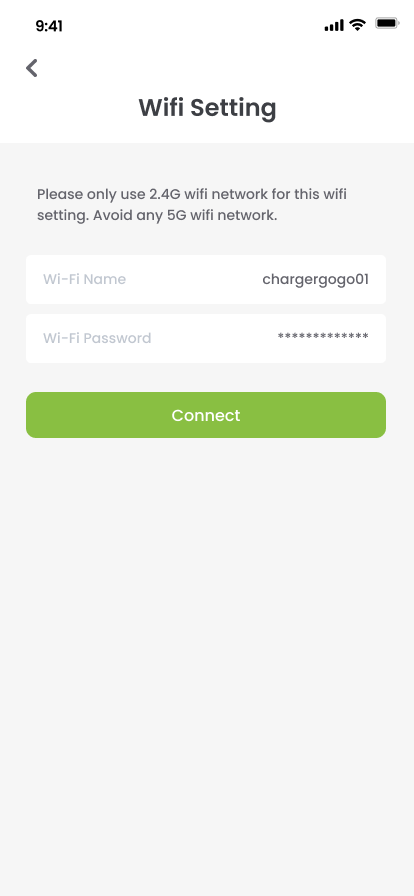
Frequently needed information should remain easily accessible, while advanced controls and technical details should appear within relevant contexts.
Design Reflection
The most important lesson from GoGo Host was that simplicity does not mean removing complexity from the product.
It means understanding which information matters to each user and revealing the appropriate level of complexity at the right moment.
This project strengthened my approach to role-based experiences, connected-device UX, and translating business operations into accessible mobile interfaces.